Archive
GORBEIA CENTRAL PARK

Ondorengo blog honek Gorbeiako Parke Natural magiko eta liluragarriari buruzko informazio zabala eskaintzen du. Paradisu eder honek hainbat ekintza egiteko aukera ematen du eta gure helburua aukera horiek ondo kudeatzea eta jendea erakartzea da parkeari buruzko informazioa emanez.
Blog honetan gure estrategia garatzeko erreferentzia nagusia “Gorbeia Central Park” webgune edo blog ezaguna izan da. Horretaz gain, esan beharra daukagu blog hau aurrera ateratzeko “Arratia Suzien” taldearen eta “Arratiako Mankomunitatearen” laguntza izan dugula.
Gorbeiako Parke Naturala Bizkaia eta Araba artean kokatzen da. Parke eder hau, Euskadiko parke natural handiena da 26.050 hektarea dituelarik eta bertako gailurrik garaiena Gorbeia mendia dugu 1481m-rekin. Aldamin 1375m eta Lekanda 1303m-rekin, dira beste gailur garrantzitsu batzuk.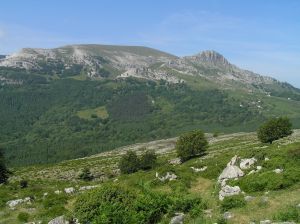
Bizkaiko txoko maitagarri hau 1994. urtean izendatu zuten parke natural bezala ez soilik bere balio naturalarengatik baita bere balio kulturalarengatik bertako herri txikiak kulturaren ondare dira, tradizio eta pentsaera zaharrak ederki mantendu dituzten herritarrez beteak: Bizkaia aldean kokatzen diren herriak Areatza, Zeanuri, Zeberio eta Orozko dira Araban aldiz Zigoitia, Zuia eta Urkabustaiz.
Parke natural honek balore sentimental eta ideologiko handia izateaz aparte aukera bikainak eskaintzen ditu, kirol ezberdinak egiteko aukera adibidez: trekking, eskalada, mountain-bike, espedeologia… herrietako janleku bikainak dastatzeko aukera; Gorostondo, Arratiano, , Axpe Goikoa… uda giroan herrietako jai giroan murgiltzeko aukera, animaliez gozatzeko aukera ….. familiarekin eguna pasatzeko aukera …. .
Lo egiteko leku anitz dituzu edozein herritan baita ingurukoetan ere; Arantza (Igorren), Hotel Balneario Hesperia… (Areatzan) Hotel Etxegana ( Zeanuri) eta horretaz gain herri hauek bisitatzeko aukera ederra, herri txikiak izan arren erakargarriak baitira.
Blog honek bere berriak eta ekintza ezberdinak Twitter eta Facebook bezalako sare sozialetan partekatuko ditu jendeak gure berri izan dezan.
ERREFERENTZIAK:
Anon, GORBEIA SUZIEN. Available at: http://gorbeiasuzien.blogspot.com.es/.
Anon, ARRATIAKO MANKOMUNIATETA. Available at: http://www.arratia.net/eu-ES/Orrialdeak/default.aspx.
Anon, GORBEIA CENTRAL PARK. Available at: http://www.gorbeiacentralpark.com/es/.
Free topic post: “Trikitixa, a closer look”
I sincerely believe that music grants a deep sense of fullfillment, one that improves life to limitless extents. This, though, is no wonder, since I am a musician myself -it would be rather counter-productive to go against the guild, dont you think?-. My most cherished instrument -of the few I own- is called “trikitixa”, a diathonic accordion typicial of the basque country, whose characteristic sound you must have surely heard. My intention with this post is to enlighten the reader with some deeper understanding of the instrument itself, the way it works, and some personal impressions.
Let us start with some history: The trikitixa is actually a variation of the diathonic button accordion, which has its roots in italy (incidentally, the main manufacturers are italian). Its “Diathonic” nature makes each an incredibly complicated product of luthiery, and thus they are quite costly, but, on the ther hand, if properly taken care of, they can outlast their owners. Because of this, it is not infrequent for the most veteran (and succesful) players to sport real vintages, antique models handed down from generation to generation in their families.

Here are some of the best trikitilaris of the past century, with models of the time.
Image taken from: http://www.absolutbilbao.com/festival-internacional-de-trikitixa-de-getxo/ (accessed: 19.20 13/12/2012)
The diathonic accordion was introduced in the late 19th century by french and italian sailors and/or railway workers, in a time its use was extending all over europe. The trikitixa was developed as the originals suffered some small modifications in tone and bass-notes (and later on the 20th century, also by adding 4 altered notes). It consists of two keyboards and a bellow; the one for the right hand bears individual sounds and the one in the left, chords in different octaves. The sounds are made when the air (either stored in the bellow or from the outside) is made to go through dual windpipes each containing a thin metal sheet, which are sealed in one side so as to isolate notes. These windpipes are covered by a plug connected to its corresponding button through a small lever, thus allowing to play one note at a time, or any combination wanted (so long as the harmonics allow it).
Description of each section with complementary images here.
Traditionally, it has been assotiated with folk music from the basque country, being present in most of the traditional song types (specially “fandango”, “arin-arin”, and “kopla”), and frequently played accompanied by a “pandero” (a hand-percutted frame-drum), though from the late seventies onwards it has been increasingly paired with unorthodox instruments so as to include it in many other genres (pop, rock, jazz, and so on). Here are some examples of the “old” and the “modern” songs:
“Odolaren boza” – Traditional march.
“Kalanbreak” – Pop-rock song by Gozategi.
Personally, I think that it is a complicate instrument to play. It is an acquired taste, one that requires constant practice lest the player get rusty and the fingers sloppy, and there have been cases of people quitting out of sheer frustration. Nevetheless, once it gets to you, it is enormously satisfactory to play it, because of the challenge it suposses. I’ve been playing it for 12 years already, and I still have vast amounts to learn, so that should give you a pretty accurate idea of how tough it is.
And that’s it. I hope you enjoyed it.
Media and references:
Free topic: the power of languages
Everyone knows that learning a language since childhood is far easier than learning it in adulthood because the brain is more receptive and open to new knowledge. Consequently, being bilingual or multilingual from an early age offers innumerable advantages that will be examined throughout this post. Firstly, I will look at the benefits that early language learning brings to our brains and overall way of thinking, and later I will move on to more generic advantages that being multilingual has.
 In the past, experts believed that exposing children to two languages could hinder their cognitive development. They thought it was hard for them not to mix their lexis and that the influence of one language could make them structure sentences incorrectly in the other. However, more recent research has shown that this is not true and that in fact, even if at some point the two languages might interfere with each other, that tendency is soon outgrown and the way is opened for a more flexible mind, capable of learning even more languages, more easily and quickly than monolinguals. What is more, bilingualism improves cognitive skills not related to languages and delays the appearance of Alzheimer in old age.
According to researcher Ellen Bialystok, bilinguals are often better at controlling their attention – a function called the executive control system. The difference between monolinguals and bilinguals lies on their ability to monitor the environment. As researcher Albert Costa explains, “bilinguals have to switch languages quite often” and that “requires keeping track of changes around them in the same way that we monitor our surroundings when driving”. The executive function makes decisions about what to pay attention to, what to ignore or what to process, and bilinguals are better at filtering what to focus on.
 The best way to test the executive control system is a method called the Stroop Test. It consists of showing people words in different colours and they have to say the colour and ignore the word. The difficulty is that the words are all names of colours. The mechanism used to overcome the brain’s tendency to read the word is the executive control system. Bialystok’s work shows that bilingual people continually practise this function, as both languages are active in their brains at the same time and they need to block one in order to speak the other.
As Kirsi Suutarinen explains in her post Are bilinguals smarter than the rest?, her 2-year-old daughter constantly switches between Finnish and Dutch (even in the same sentence) and is capable of knowing which language to use with each relative or friend. What is more, she shows an incredibly good memory. Like Suutarinen’s daughter there are many children enjoying the advantages that a bilingual environment provides.
Another proven benefit that being bilingual brings is related to the old age. In a study led by the neuropsychologist Tamar Gollan of the University of California, 44 elderly Spanish-English bilinguals were tested, and they found that individuals with a higher degree of bilingualism (evaluated by their proficiency in each language) were more resistant to the onset of dementia and other symptoms related to Alzheimer; “the higher the degree of bilingualism, the later the age of onset”.

Aside from all this, there are the more common rewards that knowing more than one language (even if it’s not since childhood) has. Globalisation has been a very common term over the last decades; barriers are being broken down and the entire world is unifying. Travelling ancompare it to. Furthermore, it usually forms a richer vocabulary, as a large amount of vocabulary in a language is very similar to that in other languages (because they come from Latin or Greek, for instance) or has directly been adopted from another language (like Spanish has integrated many English words in its lexis, or English from French).
Another great benefit is that being multilingual gives people lots of confidence when travelling, since they will be able to communicate in different languages depending on where they are. Globalisation has been a very common term over the last decades; barriers are being broken down and the entire world is unifying. Travelling and access to information from all over the world has never been easier and so, knowing more than one language turns out very practical.

It is advisable too, when starting business or making a deal with foreigners, to be able to speak to them in their language, or at least try, as it creates much stronger bonds and transmits greater trust than through a translator. Speaking of which, it has to be said that reading a book, an article or a piece of news in the original language is far better than reading the translation made by someone else. Considering that even though they have to be neutral, translators still need to interpret what they read, it is much more reliable to read the genuine piece in order not to miss any nuance the writer has wanted to include.
In conclusion, I think learning as many languages as possible is one of the best things people can do in order to broaden their horizons, and after discovering the many vantages they bring not only to our lives but to our brains I am much more convinced of the power of languages.
References
Are People Who Speak More Than One Language Smarter? (2011). Retrieved from http://learningenglish.voanews.com/content/are-people-who-speak-more-than-one-language-smarter-117617108/115171.html
Bhattacharjee, Y. (2012). Why bilinguals are smarter. Retrieved from http://www.nytimes.com/2012/03/18/opinion/sunday/the-benefits-of-bilingualism.html?_r=5&src=me&ref=general&
Carroll, J. (2005). What’s the importance of learning a foreign language? The business Journal. Retrieved from http://www.bizjournals.com/triad/stories/2005/08/29/editorial2.html
Emilys. (2012). Are Bilinguals Smarter? Retrieved from http://youthvoices.net/discussion/are-bilinguals-smarter
Graber, C. (2011). Being Multilingual Helps with Multitasking. Retrieved from http://www.scientificamerican.com/podcast/episode.cfm?id=being-multilingual-helps-with-multi-11-02-18
Janssen, L. A. (2012). Can being bilingual make you smarter? Retrieved from http://www.telegraph.co.uk/education/expateducation/9267252/Can-being-bilingual-make-you-smarter.html
Lavozdebarcelona. (2012). Los bebés bilingües diferencian otras lenguas pese a no haberlas oído nunca. Retrieved from http://www.vozbcn.com/2012/08/13/123544/bebes-bilingues-mejor-monolingues/
Los niños pequeños bilingües poseen más flexibilidad para el aprendizaje lingüístico. (2009). Retrieved from http://www.madrimasd.org/informacionidi/noticias/noticia.asp?id=40112
Siegfried, J. (n.d.). Learning Two Languages Makes Kids Smarter. Retrieved from http://www.healthguidance.org/entry/16414/1/Learning-Two-Languages-Makes-Kids-Smarter.html
Suutarinen, K. (2012). Are bilinguals smarter than the rest? Retrieved from http://languagerichblog.eu/2012/03/22/are-bilinguals-smarter-than-the-rest/
Top Ten Benefits of Early Language Learning. (n.d.). Retrieved from http://www.early-advantage.com/articles/topten.aspx
Two or More Languages in Early Childhood: Some General Points and Practical Recommendations. (1999). Retrieved from http://www.cal.org/resources/digest/earlychild.html
Valerio, M. (2011). Las ventajas de ser bilingüe. Retrieved from http://www.elmundo.es/elmundosalud/2011/02/18/neurociencia/1298046214.html
Wenner, M. (2010). The Neural Advantage of Speaking 2 Languages. Retrieved from http://www.scientificamerican.com/article.cfm?id=bilingual-brains
Westly, E. (2011). The Bilingual Advantage: Second Language Increases Cognitive Abilit. Retrieved from http://www.scientificamerican.com/article.cfm?id=the-bilingual-advantage
tobacco and its harms
Tobacco is the most consumed drug in our world. Some years ago it wasn’t frowned upon, but nowadays smokers are marginalized. Two years ago the Spanish parliament approved an anti-smoking law. Now smokers have to go out from where they are to smoke. And I think that this is a good law because non-smokers have to have more rights than the other. I dont mean that smokers deserve less rights but those who don’t like it should have priority.
Thats what smoking does to your body:
“Smoking hurts your lung’s natural cleaning and repair system and traps cancer-causing chemicals build in your lungs. Smoking destroys the tiny hairs, which line the upper airways and protect against infection. Normally, there is a very thin layer of mucous and thousands of these hairs lining the insides of your breathing tubes. The mucous traps the little bits of dirt and pollution you breath oxygen in, and the hairs move together like a wave to push the dirt-filled mucous out of your lungs. Then you have to waste your time coughing , swallow, or spit up the mucous, and the dirt is out of your lungs. When your lungs’ natural cleaning and repair system is hurt, germs, dirt and chemicals from cigarette smoke stay inside your lungs and never come out. This puts you at risk for a cough that never goes away, chest infections, lung cancer, and chronic obstructive pulmonary disease .”

But not only those who smoke are who suffer it’s damage. I’m referring to secondhand smokers. Secondhand smokers are who breathe the smoke when they are not smoker, for example, children, waiters… here we have the result of the damage that it causes:
-The EPA says secondhand smoke causes 3,000 cancer fatalities in Americans each year.
– The American Heart Association says that secondhand smoke causes 50,000 fatal heart attacks in Americans each year.
– An unspecified number of Americans are dying each year from “respiratory illnesses” attributable to secondhand smoke.
Most of the smokers are young. There are only a few who start smoking being an adult.
Teenagers start with it because they think that it is cool or that they may have more friends.
I don´t know. But what we know is that smoking is really harmful for our health and we must
not start with it.
 <
<
The principal countries that cultivate tobaco are: Cuba, India, China, USA and Pakistan.
They use many pesticides that harm seriouly the ground. Tobacco companies recommend up to 16 separate applications of pesticides just in the period between planting the seeds in greenhouses and transplanting the young plants to the field. Pesticide use has started because the producers want to get larger crops in less time. Pesticides often harm tobacco farmers because they are unaware of the health effects and the proper safety protocol for working with pesticides. These pesticides, finally, end up in the soil, waterways, and the food chain.
References:
The Second-hand Smoke Will Endanger Non-smokers Health
·http://www.directessays.com/viewpaper/98472.html
Passionate Anti Smoking Tobacco
·http://www.123helpme.com/passionate-anti-smoking-tobacco-essay-view.asp?id=155505
Anti-Smoking Movement
·http://joedawson.org/Interests/SmokersRights/Essays/issues1.html
Tobacco
·http://en.wikipedia.org/wiki/Tobacco
·http://www.tobacco.org/
MORE ECO PLEASE!
IF WE ARE WHAT WE EAT, ARE NOT WE CLOSER TO “NATURE” IF WE INCORPORATE NATURAL AND ORGANIC FOODS INTO OUR DIET?

The “organic” label is one of the more recent vintage and is the product of its own countercultural revolution. Its prominence in grocery store aisles reflects a cultural repulsion against factory farms and their reliance on chemical, biological and other industrial solutions to the myriad challenges posed by growing crops and raising animals for safe human consumption.
Two of the most symbolic words in food promotion nowadays are “organic” and “natural.” Generally defined, “natural” means “present in or produced by nature” and is not something “altered, treated or disguised,” but rather “faithfully represents nature or life.” “Organic,” in its most abstract sense, means “simple, healthful, and close to nature.”
Organic products they are rare even among Spanish consumers. However, Spain is the second European country as a producer of organic food, almost 80% is exported to other countries. The reasons cited by citizens for not buying these products are unknown (33.3%), difficult to find in the market (31.3%) or the highest price (28.1%), which sometimes reaches overcome the traditional foods of 100%, especially fruits and vegetables.

What is ecological farming?
Organic farming also known as biological or organic, is a way to cultivate and care for the land and raising cattle respectfully with nature, without the use of toxic chemicals (fertilizers, pesticides, herbicides, so on). Seeded modified genetically (called GM or GMO) without forcing fertility cycles or animal feed. Its purpose is to get healthy food for all, at its maturity, with all the flavor, aroma, texture, with all the vitality and all the benefits of healthy food.
Besides, these foods offer many advantages over traditional reasons to opt for them.
Why eat ecological food?
Because they are healthy and safe for the body and have all the nutrients and vitamins own food.
Come from organic farming, that by not using toxic chemicals helps protect our health and care of the farmers and the environment.
Because plant or animal ingredients have not been genetically modified. Organic farming takes account of traditional agricultural knowledge while knowledge is up to date and cutting edge techniques to keep improving in all aspects, but not away from life or nature, and is managed with strict quality standards.
Because they come from an agriculture that preserves and enhances biodiversity by encouraging the planting of hedges and trees, to remove chemicals that affect wildlife and the entire food chain by diversifying crops, conserve indigenous seeds.
Organic farming is also a commitment by the farmer and the farmer to look after the land, woodland and water, to enable the animals to develop their innate behavior and are at all times in a position of comfort, to respect their cycles and needs.

Because they come from an agriculture that promotes work and country life preserving its own culture and contributes to satisfaction, health and culture of living in the city. While maintaining the diversity of the landscape with its beauty and harmony, helping to create jobs by requiring more labor and reduce agricultural surpluses with promoting quality rather than quantity.
Because organic food to take contribute to responsible consumption. A consumer of organic products know that organic farming contributes to rural development to better use of resources and a brake erosion and fires, a survival of the caring professions field then enjoyed by all; a fair prices for farmers.
Buy organic food, it is, food from the agriculture and livestock, is to support farmers to do their work gladly, watching the economic and social development of our peoples.
Because organic farming helps us recover the flavors almost lost, eating nice food gastronomic culture we know and we like for its aroma, its flavor.
Ultimately for their good quality.
How can we identify an ecological food?
All packaged products are obtained according to the rules of organic farming with its labeling are: “Organic farming” (in Castilian or in any of the languages of the European Union) and a logo or seal indicating authority or body control which certifies that this is so. If the product is produced and packaged in the EU can carry the logo European Organic and Biological.

If the product is fresh and not packaged (fruits, vegetables), make sure that the producer is enrolled in a watchdog and has a certificate of organic farming and production control.
Nowadays, it is demanded definite values which are linked to differential products, among the quality, safety, health, sustainability, so on. Food is a social and cultural fact as well as biological. Therefore, we do not only ingest nutrients, but also symbols. Through this act, we build an important part of our individual and social identity.
It is an interest for the traditional, the authentic, the craftsman, natural, products our land.
To sum up, organic foods have become part of daily food consumption thanks to its distinction, health, safety, nature, tradition, so on.
A dynamic that relies on new consumer trends in post-industrial societies, eager to find in nature the lost sensations by the advance of modernization and connecting with new marketing strategies that aim to consolidate “the local “as a brand or seal of quality and differentiation.
Organic production allows farmers and rural agro-industries to acquire a small space of autonomy from corporate power, in an increasingly competitive environment.
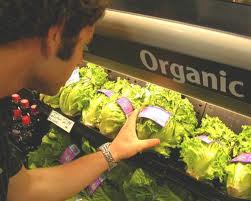
This strategy allows us to analyze the interaction between the local and the global, between tradition and innovation, and between the legacy of the past and the future bet. It goes without saying that the world echoing lets you discover a mosaic of men and women who work our land with a deep respect for the environment, animal welfare and food quality, healthier and they do these days with a optimistic mood, because we know that we are a small gift will be the great future buts. It is ultimately a way of raising awareness about organic food and highlight the quality and richness of our land.

REFERENCES:
– AGUILAR CRIADO, E. (2007), Productos locales, mercados globales. Nuevas estrategias de desarrollo en el mundo rural, en García Docampo, M. (ed.), Perspectivas Teóricas en Desarrollo Local. La Coruña: Netbiblo, pp. 147-169.
– ALONSO BENITO, L. E. (2004). “Las políticas del consumo: transformaciones en el proceso de trabajo y fragmentación de los estilos de vida”, en RES. Revista Española de Sociología, nº 4, pp. 7-50.
– ALONSO BENITO, L. E. (2002). “¿Un nuevo consumidor?”, en Abaco: Revista de cultura y ciencias sociales, nº 31, pp. 11-18.
– BESIÈRE, J. (1998), “Local Development and Heritage: Traditional Food and Cuisine as Tourist Attractions in Rural Areas”, en Sociologia Ruralis, nº 38 (1), pp. 21-34.
– BRUGAROLAS, M.; RIVERA, L. M. y SÁNCHEZ, M. (1997). “Potencial de mercado para nuevos productos alimentarios: la producción ecológica.” Investigaciones europeas de dirección y economía de la empresa, nº 3(1), pp. 61-76.
– CALOMARDE BURGALETA, J. V. (2000). “Marketing ecológico”. Madrid: Ed. Pirámide y Esic Editorial.
– CÁCERES, J. y ESPEITX, E. (2002), “Riesgo alimentario y consumo: percepción social de la seguridad alimentaria”, en Gracia (Coord), Somos lo que comemos. Estudios de alimentación y cultura en España. Barcelona: Ariel, pp.317-348.
– CÁCERES, F.; CRUZ, J. C.; RODRÍGUEZ, A.y RUBIO, L. A. (2004). “Calidad agroalimentaria y denominaciones de origen.” Cuadernos de la Tierra del Agricultor y Ganadero, Nº 3, PP. 6-16.
– DÍAZ MÉNDEZ, C. y GÓMEZ BENITO, C. (2001). “Del consumo alimentario a la sociología de la alimentación”, EN Distribución y Consumo, Nº 60, PP. 5-23.
– GONZÁLEZ RUIZ, L.y COBO QUESADA, F. B. (2000). “Agricultura Ecológica en España: las estrategias de marketing, claves para el éxito”, en Distribución y Consumo, nº51, pp.39-55.
– HERVIEU, B. (1997). Los campos del futuro, Madrid: Ministerio de Agricultura, Pesca y Alimentación.
– LOZANO CABEDO, CARMEN (2007), “La agricultura ecológica en el nuevo modelo de ruralidad. Una aproximación desde la Sierra de Segura (Jaén)”, en Neira, X.; Cervera, A. y Simón, X., Agroecoloxía e Agricultura Ecolóxica en Galiza. Catarroja (Valencia): SEAE, pp.91-99
– MURDOCH, J. y MIELE, M. (1999). “‘Back to Nature’: Changing ‘Worlds of Production’ in the Food Sector.” Sociologia Ruralis, 39(4), 465-483.
– NYGARD, B.y STORSTAD, O. (1998). “De-globalization of Food Markets? Consumer Perceptions of Safe Food: The Case of Norway.” Sociologia Ruralis, 38(1), 35-53.
– RENARD, M.-C. (1999). “The Interstices of Globalization: The Example of Fair Coffee.” Sociologia Ruralis, 39(4), 484-500.
– WILLER, H.;SORENSEN, N.y YUSSEFI-MENZLER, M. (2008). “The World of Organic Agriculture. Statistics and Emerging Trends 2008.
The Coca-Cola Company
The Coca-Cola Company is the world’s largest beverage company, which offers its consumers nearly 400 brands of non-alcoholic beverage concentrates and syrups . It was founded in 1886 by pharmacist Dr John Pemberton in Atlanta, Georgia. But nowadays the Coca‑Cola Company is the world’s leading manufacturer, marketer and distributor through the higher beverage dispensing system in the world which operate in over 200 countries at a rate of nearly 1,600 billion servings a day. Together with Coca-Cola, recognized as the world’s most valuable brand, the product portfolio of the company includes 12 other brands with a value of several billion dollars, including Coca-Coca Light, Fanta, Sprite, Coca -Cola Zero, vitamin water, Powerade and Minute Maid.
In Spain, Coca-Cola works with 7 bottlers with 100%Spanish capital and 16 factories, who directly employ more than 5,000 people and serve over 450,000 customers. The Coca-Cola Company in Spain has 56 brands and more than 70 products. This wide range of productsincludes carbonated soft drinks and non-alcoholic, iced teas, juices, waters, sports drinks, energy drinks and new generation products. The Coca-Cola Company focuses on a series of initiatives to protect the environment, to conserve resources and enhance the economic development of the communities where it operates.
The Coca‑Cola Company’s Mission
- To refresh the world – in mind, body and spirit
- To inspire moments of optimism – through our brands and actions
- To create value and make a difference everywhere we engage
The Coca‑Cola Company’s Values
- Leadership
- Passion
- Integrity
- Accountability
- Collaboration
- Innovation
- Quality
Coca‑Cola has had a long-standing commitment to responsible marketing for many years, and in 2009 the company set out explicitly what these commitments mean in practice.
The Responsible Marketing Charter (1)* is a set of principles that guide Coca-cola’s team entire approach to marketing and establish firm rules for what they should and shouldn’t do. Some of them are:
- We (Coke Company) don’t market any drinks to children under 12 because we believe parents should choose the drinks that are right for their families. We help parents make informed choices through better consumer information
- We (Coke Company) will work with an independent consultancy to constantly monitor TV ad placement
- We (Coke Company) do not have direct commercial agreements with primary schools and are only in secondary schools by invitation
- We (Coke Company) will not associate ourselves with cinema films where the core audience is under
But also, as in the Coca-cola Company’s official web said: “We’ll also continue to have a dialogue with consumers and other stakeholders on responsible marketing, to ensure we keep delivering a wide variety of great quality drinks” (2)*. Meaning that the Company will be in touch with its customers to get comments, suggestions and complaints about Coca-Cola with the aim of improve its products consequently increase its consumption. Therefore we can find different ways to contact with the company. Firstly in Facebook, The coca-cola company has more than 51 millions of “Like-s”. It’s “fan page” is considered one of the most successful page of the social network, Facebook, ranks 10th in number of followers. But why this success? That’s because one of the aims that Coca-Cola Company persues and promises is the “Happiness” to its customers, and also, thanks for some solidarity mobilizations which make the followers stop being audience, but content generators. Therefore, since 2010 Coca-cola Company has spent 6.6% less than 2009 on TV ads

With the same strategy, the successful promotions in the second more used social network by Coca-Cola Company, Youtube has Coca-Cola amassed 146 million views. Of that, the U.S. company created only 26 million videos with your own content and were consumers who brought 120 million visits with home videos to collaborate.
But as I said before, Coca-cola also has other social medias where is present. Social medias like in Twitter, which there is a Coca-cola account created on June of 2010 for customers from Spain named @CocaCola_es, and until today has gathered more than 50.000 followers. Furthermore, in Tuenti the north American company has more than 400.000 followers, therefore we cannot say that Coca-cola does not have a strong presence in social medias. In its official web page, we also find all its news and developments, which later will be distributed through it social medias. Most of them developments are contests and promotions which makes consumers interact with each other and with the company and then increase the consumption of Coca-cola; because Coca-cola is always listening to its customers, it receive them message and it send the same message to all its followers, making the company the principal via of them interactions. Is important to highlight some promotions like “the Happiness Machine”, which was present in more than 20 countries, “Coca Cola Village” which the main via of communication between its participants was through social medias.
To sum up, is really important that large companies like Coca-Cola are present not only in TV ads or advertisements but also on the Internet have strong presence in many social medias that make us (the customers) the principal purpose of them different sales strategies. Because nowadays most of us we are present in any social media and the best way for these companies to find and reach us is through social networks. Therefore, companies like Coca-Cola, has invested more in social medias promotions than at any sites to market them products and become the principal sellers of the products.
References:
- (1)* The Coca-Cola Company. (2010). Responsible Marketing. Retrieved December 9, 2012, from http://www.coca-cola.co.uk/about-us/responsible-marketing.html
- (2)* The Coca-Cola Company. (2010). Responsible Marketing. Retrieved December 9, 2012, from http://www.coca-cola.co.uk/about-us/responsible-marketing.html
- Cocacola company. (2012). La compañia. Retrieved December 9, 2012, from http://conoce.cocacola.es/conocenos
- REDES SOCIALES. (2012). Así funcionan las redes sociales de la gaseosa más famosa del mundo. 2:50 p.m. | 24 de Septiembre. Retrieved December 9, 2012, from http://www.eltiempo.com/tecnologia/internet/ARTICULO-WEB-NEW_NOTA_INTERIOR-12249188.html
- Coca-Cola apuesta por las redes sociales. (2011).28/03/2011 10:11. Retrieved December 9, 2012, from http://www.europapress.es/portaltic/empresas/noticia-coca-cola-apuesta-redes-sociales-20110328101148.html
- Stratmann jo. (2011). Coca-Cola cut ad spend by 6.6% and invest more in social media. 21st March 2011, 05:04 pm. Retrieved December 9, 2012, from http://www.freshnetworks.com/blog/2011/03/coca-cola-cut-ad-spend-and-invest-more-in-socia-medi/
- Liberos, E. (2012). CocaCola y las redes sociales, primera parte. 13 de Marzo. Retrieved December 9, 2012, from http://blog.iedge.eu/direccion-marketing/marketing-interactivo/social-media-marketing/eduardo-liberos-coca-cola-las-redes-sociales-primera-parte/
- Alvaro Reyes. (2012). Coca-Cola revela parte de su secreto para tener éxito en las redes sociales. 12/09/2012 . Retrieved December 9, 2012, from http://www.clasesdeperiodismo.com/2012/09/12/coca-cola-revela-parte-de-su-secreto-para-tener-exito-en-las-redes-sociales/
- Alimarket Alimentación. (2012). Coca-Cola se hace fuerte en las redes sociales. 4 de Diciembre . Retrieved December 9, 2012, from http://www.alimarket.es/noticia/111568/Coca-Cola-se-hace-fuerte-en-las-redes-sociales
CLIL: Content and Language Integrated Learning
With the expansion of the European Union, the need for communication and the diversity of new languages are seen as central issues. In the last years, English has become the world’s main language, but this doesn’t mean other languages will be likely to disappear. With all this, the need of acquiring communicative skills in a second or third language will be increased as well. This multilingualism is becoming very important and for it teachers are looking for ways to encourage language learning and promoting high levels in foreign languages.
CLIL will help students become academically proficient in foreign languages, increasing their cultural knowledge and motivating them to be able to speak about interesting topics, as well as preparing them for work and further study.

The basis of this method is to teach school subjects in a language that is not the mother tongue of the learners. Using this method, knowledge of the language will become the system of learning the taught content, and at the same time when learners get interested in a specific topic, they will feel motivated to obtain that language in order to be able to communicate. 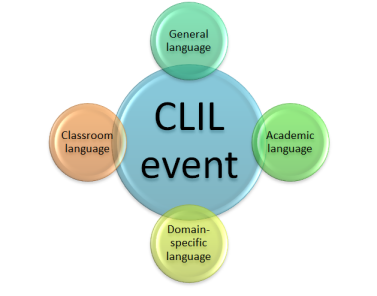
This has several advantages. First of all, it helps children get to know a culture that is different from their own and makes them more international. In addition, when they study a subject in a foreign language, they learn how to use it in normal situations but they also improve their specific vocabulary. This is important for their future, because it gives them skills that will be very useful for their career.Apart from this, it will make children more tolerant towards other traditions and identities. In the integration of content and language, interests, needs and the level of students has an important role.
In conclusion, the main difference of CLIL from other education system is that the language teacher is also the subject teacher, so he is able to work out opportunities for developing language skills. Also I have to mention that is an educational system is so beneficial, because while you are studying essential subjects you are also improving your language level.
Finally I leave here a video so that you have a closer look on this new teaching method. Here, David Marsh gives a great insight into CLIL, answering relevant questions about advices on how to start up a CLIL programme.
- Steve Darn. (2006a). Content and Language Integrated Learning. 20 January. Retrieved from http://www.teachingenglish.org.uk/articles/content-language-integrated-learning
- Steve Darn. (2006b). CLIL: A lesson framework. 31 January. Retrieved from http://www.teachingenglish.org.uk/articles/clil-a-lesson-framework
- http://www.youtube.com/watch?v=-Czdg8-6mJA
Free topic post: ERASMUS
ERASMUS
The ERASMUS program (EuRopean Community Action Scheme for the Mobility of University Students) was created in 1987 in order to promote the Students Exchange programs of the countries of the European Union. and, Iceland, Liechtenstein, Norway, Switzerland and Turkey. In 1995 this program was integrated in a program with bigger magnitude, called Socrates. Finally in the year 2000, the whole program was re-called Socrates II. This ultimate program focuses more on develop the academic cooperation between universities from different countries and improve the academic recognition inside the European Union. Read more…
Mrs. Dalloway
Mrs. Dalloway, which was published on 14 May 1925, is a Novel by Virginia Woolf, an English writer regarded as one of the greatest modernist literary figures of the twentieth century. The whole novel is the detailed and meticulous explanation of a day in the life of Clarissa Dalloway, but the innovative treatment of time and the different types of narrator have established this work as one of the reference modernist novels.
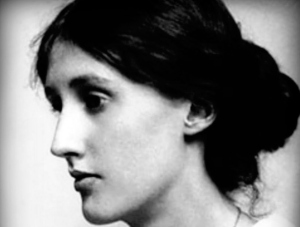
Virginia Woolf
This is the story of a high class woman who lives in London with her husband Richard Dalloway and her daughter Elizabeth. The whole novel is a description of one only day in the life of Clarissa Dalloway. At the beginning, she is going around the city in the morning, getting ready to host a party that evening, and the history ends that same day together with the end of the party. Yet, as the narration goes on, different issues take place, just like the appearance of Peter Walsh, who was Clarissa’s former boyfriend, and Sally Seton, her first true love who was also her best friends. These reunions make her wonder what would had happened if she has decided to marry the enigmatic and romantic Peter in except of the reliable Richard, and she also revives the feelings she had to Sally which seem not to be completely forgotten.
Together with Clarissa’s history, we also find Septimus Warren Smiths case. He was a veteran of World War I suffering from physiological problems due to the death of her best friend Evans. He lives with her Italian-born wife Lucrezia, who takes care of him, but although she was always looking after him she couldn’t avoid his suicide.
Clarissa’s party in the evening is a success. It is attended by most of the characters she has met in the book, including people from her past. She hears about Septimus’ suicide at the party and gradually comes to admire the act of this stranger, and makes her think about which is the sense of her live.
It is important to know that the main characteristic of the novel isn’t what it happens but how it is narrated. Virginia decided to leave apart the external actions to dive into the inside world of every character, so most part of the work is just meditation and thinking of the protagonists. Hence, it is important to recognize the themes of the novel, as they are considered the essence of all Virginia Woolf’s works.
There is a vast diversity of themes in the novel Mr. Dalloway, but some of them are much more important than others. The problems and themes analyzed in this novel are not particular issues like they used to be in the 19TH century novel, they are problems concerning the human being, common worries, and although she introduced them using a single character, she used them as a symbol of what she wanted to transmit. These are some of them:
Firstly, she speaks about the situation of women in the Victorian society. The idea of a woman in that time was based on the concept of a perfect lady to be shown to the society; the lady is only the one that goes with an important man. But Clarissa shows a different view of this issue, she doesn’t think a women is nobody without a man, she knows that a woman can be successful for herself.
Secondly, we find the issues concerning death and suicide, and Septimus is considered the great symbol. This character thinks he is able to see a truth anyone else is able to appreciate, and it is such cruel that he ends up committing suicide. By this fact we can understand how difficult life was for the writer, and what her point of view of humanity and world was.
The third important theme is the time. This is an important issue due to the way in which it is used, changing the traditional notion of time as a chronologic structure based novel, intro a fragmentary novel with different techniques to show us which are the consequences of time in human life. The time and how the time changes a person were some of the obsessions of Virginia Woolf, and they are very important to understand the novel.
Overall, it is clear that Mrs. Dalloway is a highly representative novel, as it shows how Virginia Woolf lived and felt; like a woman born in a time that just didn’t suit her.
Reference:
- La Señora Dalloway, Virginia Woolf, Alianza Editorial S.A. (2004)
- Mrs. Dalloway, Wikipedia, http://en.wikipedia.org/wiki/Mrs_Dalloway
My Favorite author: Jane Austen.
Jane Austen.
Jane Austen was born in Steventon, England 16 December 1775. She was a well-known British writer who lived while XVIII and XIX centuries. She was the daughter of the reverend Austen. Jane had six brothers and a sister named Cassandra. The relationship between both of them was not only special because they were sisters, but also because they were very good friends. In fact, they were confidents and there is a collection of letters they wrote to each other in which some relevant points of Jane Austen’s life are revealed.
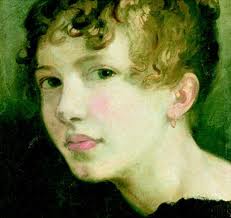
Between 1785 and 1786, Jane and Cassandra were students of a private school in Reading. Moreover, three of Austen’s brothers signed in the army and that is why the writer used to know so much information about the way of living in the regiment. After 1787, Jane started writing, for the joy of her family, Juvenilia, which included some parodies about the literature of that time.
When talking about her personal life there is not constancy about any husband, there were however, two important men in her life. The first one was Thomas Letroy, a man she met at the age of 20. She seemed to be in love with him but his precarious economical situation did not let him marry Jane. We do not know much about the second man; the only thing that is known is that she used to go on holidays to the coast every summer. She met him there and he apparently fell in love with her, and so did she. However, he tragically died. This story does not appear in the letter collection of the sisters but Cassandra told it to her nieces once. Neither Jane nor Cassandra got ever married.
In 1803 Jane Austen sold her first novel,’ The Northanger abbey’, but the book was not published until 14 years later. In 1805, her father died letting her, Cassandra and their mother without any money. In 1806, they moved to Southampton a town near the navy base of Portsmouth. That changed allowed her and her sister visit their brothers who were working there. In 1809 she continued writing and revising some novels, she sold ‘Sense and sensibility’ in 1810. The author also tried selling ‘Pride and Prejudice’ but this was sold in 1812, and published in 1813.
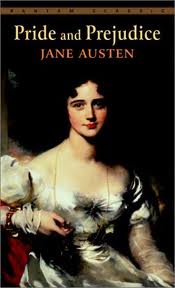
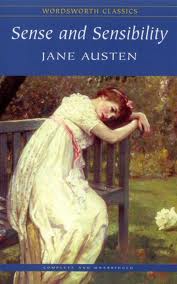
Nevertheless, even though her career as a writer was going well, indeed, she published ‘Emma’ in 1815, she started to get sick and she was moved to Winchester in 1817. She died the 18th of July of the same year there, and her last words were: I do not want anything but death. She was buried in Winchester’s cathedral.
FEATURES OF HER WORK:
Jane Austen was known because of her capacity of describing common and real things in a romantic and special way. James Edward Austen-Leigh wrote in his sister’s memories that ‘she opened her mouth with wisdom and in her tongue is the law of kindness ‘. With her, a new style of writing was born; her descriptions were realistic and showed good behavior apart from showing fictitious experiences, always maintaining the truth principles. She wrote with romantic sensibility typical scenes of the time, everything with a touch of affection and traditionalism.
Lionel Trilling wrote in one of his essays about the writer:
“Jane Austen was the first writer who represented the modern personality specifically. She talked about the culture in which this was produced. Moral life had never been showed as she did show it. Moral life was never thought to be so complicated, hard and exhaustive. Hegel talked about secularizing spirituality as an essential feature of modernity and Jane Austen was the first one telling us what that secularization supposed.”
NOVELS:
- Pride and Prejudice
- Sense and sensibility
- Emma
- MansfieldPark
- Persuasion
- The Northanger abbey.
Monsters of the Sea
Many people are afraid of the sea, not only because of water, but also because of animals. Animals of the sea are not only small fishes, dolphins or whales; there are bigger and more dangerous animals as well. One of those dangerous and enormous animals are the sharks. Sharks are thought like animals which kill people as they want, but actually, they are not. It is true that they can be dangerous if they are hungry or even if you have blood, because they smell it; but they can also be as quiet and beautiful as dolphins. There are many types of sharks, but one more beautiful and amazing than the next, as we are going to see now.

The most known types of sharks are: the great white shark, the blue shark, the tiger shark, the bull shark, the mako shark and the hammerhead shark. Each of these “monsters”-called fishes, have some basic differences that make them easy to identify. Let’s see some features:
·The Great White Shark: it is the biggest and wildest shark, apart from the whale-shark, and it is usually fat, it has black eyes and its body is round. http://en.wikipedia.org/wiki/Great_white_shark
·The Blue Shark: is long and thin, the thinest os every sharks, and its nose is very long as well. It is light-blue and it has a very black eyes. http://en.wikipedia.org/wiki/Blue_shark
·The Tiger Shark: its body is not as grey as the others, and it has some paralel and vertical lighter marks, as tigers have. It is not very big but it is neither small, but its nose is large and crushed. http://en.wikipedia.org/wiki/Tiger_shark
·The Bull Shark: it is a fat but short shark, usually dark grey, and with light eyes. It seems as it has a hump. http://en.wikipedia.org/wiki/Bull_shark
·The Mako Shark: it is one of the smallest sharks, with a dark but bright grey, and very black eyes. It is one of the few types of sharks that have its teeth very out from the mouth. Its face is one of the ugliest and frightenings. http://en.wikipedia.org/wiki/Isurus
·The Hammerhead Shark: it is not small, it is medium size, but its best characteristic is its head: it is horizontal, long, and its eyes are each one in each corner of its head. http://en.wikipedia.org/wiki/Hammerhead_shark
There are many types os sharks, and it is impossible to explain all of them and completely here, that’s why I put here some links if some of you want to read more about these strange but dangerous animals…or so-called “monsters of the sea”. An aim of these post is to promote interest and less fear for these beasts, because they are not as bad animals as others. http://en.wikipedia.org/wiki/Sharks
Jon Iparraguirre Corrales
Internet life
We cannot avoid the fact that social networks ( http://en.wikipedia.org/wiki/Social_network) are getting more famous these days. More and more people get inside of them and even more and more organizations also get inside those social networks. Social networks are normally used to share information with friends or other people, and within this information we find images, music, data, videos…etc and this all may create a new profile of us in the Internet. That profile is called digital identity and gives everyone that can see it an image of us. http://en.wikipedia.org/wiki/Digital_identity

Digital identity is actually important if you want to find a job, but we all must know that anyone else can see that information, and that’s why we all must setup our social network’s profiles. The reputation we gain when people see that information that we share, can be both good and bad, depending on who is the person that sees it. http://www.slideshare.net/pmhs/digital-reputation
The importance of setup our profiles in the social networks is getting bigger as day after day more and more people get inside of social networks, and they are more eyes to see what you share. There have even been some kind of problems as abuses by messages and things like that, and another problem that is not as common as the last one, is the fact that sometimes the information you want to send to someone arrives to anyone else. http://www.life123.com/parenting/tweens-teens/social-networking/issues-with-teens-and-social-networking.shtml
The problems of social networks are not avoidable and that’s why we must be careful of what we share and who we share with. Digital reputation can be good and important but also bad and dangerous. The identity we acquire in the Internet must be the one we want to, and we all must pay attention of what we share, who we share with, when and where if we want to keep our information safe.
Jon Iparraguirre Corrales
Internet for Universities
These days technology has advanced so much that even universities use the internet for some purposes. The University of Deusto is one of them, and it has some tools or resources to promote itself. Not only personal web pages, but also social networks are, nowadays, a good way for companies to present themselves to the public. The University of Deusto has some pages where we can find information about it in an easy way, as I am going to show now.
Deusto’s most used page is its own web page http://www.deusto.es/ where it has information about the university, about its grades… and where its students can look for their marks and so on. But it is not the only web page of the University.

Social networks such as Facebook or Twitter are also used by many organizations, and Deusto has its own profiles in those networks:
•In Facebook the University has information about the campus and some of the activities that people can do there. There you can also find links to other profiles of the University where you can find basic information and even the history of the University. http://www.facebook.com/deustocampus
•In Twitter people can see the last changes or news that the University launches, as well as the last comments of people that study there or knows it, and it can be a very good source of information for some people. https://twitter.com/#!/deusto
Here I cannot explain completely all the aims of the university but I hope that who reads it develops interest about it. I let here another information page just in case someone need it: http://en.wikipedia.org/wiki/University_of_Deusto
Jon Iparraguirre Corrales
Lenguas románicas
Laurentino Rodríguez Contreras explica de donde provienen las lenguas románicas:
“La verdadera lengua matriz, que dio nacimiento a las lenguas romances, fue… el italiano, pero el italiano no proviene del latín como comúnmente se cree, si no que es, y esto forma parte también de su tesis, una lengua más antigua, desprendida en tiempos remotos del tronco itálico.”
De acuerdo con un experto de la Comisión Europea en lengua francesa, que es Jean-François Baldi, asegura lo siguiente:
“Hoy que las lenguas románicas pueden ser un “antídoto” contra la lengua “hegemónica”, el inglés, y por ello propuso que su estudio sea complementario al de la lengua franca anglosajona.”
Lo que quiere explicar este experto es que en el futuro se podrán abordar las lenguas románicas como el francés, portugués, español, catalán, gallego, italiano, rumano… No obstante, Baldi incidió en cuanto a la importancia de estudiar inglés como lengua además de otras lenguas. Al igual que Baldi, Hartung tambíén explica la importancia del inglés. El jefe de plurilingüismo de la Comisión Europea, Harald Hartung afirmó que:
“Es necesario tener una lengua franca. como el inglés. La Unión Europea no impondrá una lengua, aunque el 90 por ciento de los estudiantes aprende el inglés como primera lengua.”
Al mismo tiempo Hartung expone que la Unión Europea podrá fomentar y disponer de un servicio que se trata de la interpretación y traducción de 23 lenguas oficiales románicas, mientras que 40 serán no oficiales.
Al estudiar una lengua románica, de acuerdo con Edison R., cada persona lo estudia de diferente manera. Él mismo explica el estudio de la lengua francesa:
“Cada quien tiene su historia de amor y de odios hacia el francés, con sus logros y sus decepciones. Yo opiné que en relación al idioma era necesario aprenderlo dos veces. La primera vez es el francés que se aprende en los cursos normales de idioma. Luego de un tiempo en estos cursos, llega un momento en que uno cree que ya sabe francés. En efecto, entiende casi todo lo que dice la profesora y la profesora entiende casi todo lo que uno dice. Además, se pueden comprender los textos escritos y se pueden hacer composiciones sin cometer demasiados errores. Entonces piensa uno: ¡Ya sé francés!”
Referencias:
- Laurentino Rodríguez Contreras “El verdadero origen de las lenguas romances.” (27 Junio 2010). http://grupos.emagister.com/debate/el_verdadero_origen_de_las_lenguas_romances/1398-725729
- Jean-François Baldi y Harald Hartung. “Un experto francés aboga por las lenguas románicas como “antídoto” al inglés hegemónico” (12 Marzo 2009). http://www.telecinco.es/informativos/sociedad/frances-lenguas-romanicas-antidoto-hegemonico_0_918508360.html
- Edison R. “El idioma francés y la lengua quebequense”. (Lunes, 19 Diciembre 2011). http://quindianossherbrooke.blogspot.com/2011/12/el-idioma-frances-y-la-lengua.html
Twitter’s beginning
 Haven´t you asked yourself about Twitter? Who created it or when it was made? I have found some pages talking about the answers to these questions. Firstly I found Techcrunch that talks about Jack Dorsey, one of the creators of Twitter. In that page we found the comments of Dorsey about the creation of the Social Network:
Dorsey also reveals that the reason they initially droped the vowels out of “Twitter” was to try and get the SMS shortcode. …But Teen People already owned it. (Mig Siegler; Sunday, March 13th, 2011)
Apart from what Mig Siegler (the journalist of Techcrunch web page) sais, there appear a lot of tweets of Dorsey and he mention the Twitter of his partners creators:
The team was small: @noah came up with the name & managed, @florian & I programmed, @biz designed, all under the roof of Odeo & @ev. #twttr (Jack Dorsey, 13/03/2011)
If we continue reading we are going to find an interesting text which talks about Twitter:
Twitter, founded by Jack Dorsey, Biz Stone, and Evan Williams in March 2006 (launched publicly in July 2006), is a social networking and micro-blogging service that allows users to post their latest updates. An update is limited by 140 characters and can be posted through three methods: web form, text message, or instant message. The company has been busy adding features to the product like Gmail import and search. They recently launched a new site section called “Explore” for external and third party tools that interact with Twitter and a new visualization tool called Twitter Blocks.
References:
- Techcrunch web page: http://techcrunch.com/2011/03/13/twitters-beginning/ (Mig Siegler; Sunday, March 13th, 2011)
- An interesting text which talks about Twitter: http://www.crunchbase.com/company/twitter (There are different texts and information from different people and different date)
Maya Angelou
 “Puede que tengas que enfrentarte a muchas derrotas pero nunca debes acabar derrotado”. The hard life of this African-American woman is summarized in this phrase. She was born in St. Louis (Missouri) the 1928. Her childhood was full of hard times. Her brother and she had to live for a long time with her grandmother because her parents’s divorce. The 10 years spent with her grandmother in Stamps (Arkansas) provided her the most of the materials she would use in her famous autobiography: I know why the caged bird sings. In the book describes what it meant to be a colored girl in the state of Arkansas in the decades of 30 and 40.
When she was 8 years old she was raped by her mother’s boyfriend. After revealing the name of the attacker, Angelou had to go through trials and later for the murder of the rapist caused by her uncles. So, she realized that her words had the power to kill and she spent 5 years in silence. Decades later, the writer said: “Escribo para recuperar la voz negra y para todos aquellos oidos que quieran oirla”. Later, during her adolescence she had a brief drop in prostitution and she also got into the drug world.
But her political activism and her commitment to literature enabled her to get out of this deep well. Over the 60 and 70 decades Angelou was involved in the struggle for civil rights of her people. On the other hand, she traveled to several African countries where she worked as editor of newspapers and collaborate on humanitarian projects.
In addition to his autobiography, Angelou is a great writer of poems, here goes a poem based on his book:
I KNOW WHY THE CAGED BIRD SINGS
The free bird leaps
on the back of the win
and floats downstream
till the current ends
and dips his wings
in the orange sun rays
and dares to claim the sky.
But a bird that stalks
down his narrow cage
can seldom see through
his bars of rage
his wings are clipped and
his feet are tied
so he opens his throat to sing.
The caged bird sings
with fearful trill
of the things unknown
but longed for still
and is tune is heard
on the distant hillfor the caged bird
sings of freedom.
The free bird thinks of another breeze
an the trade winds soft through the sighing trees
and the fat worms waiting on a dawn-bright lawn
and he names the sky his own.
But a caged bird stands on the grave of dreams
his shadow shouts on a nightmare scream
his wings are clipped and his feet are tied
so he opens his throat to sing.
The caged bird sings
with a fearful trill
of things unknown
but longed for still
and his tune is heard
on the distant hill
for the caged bird
sings of freedom.
References:
- All the information about Maya Angelou appearing in this post has been taken from the book Entre dos mundos (Aitor Ibarrola)
- All about I know why the caged bird sings (Literature Study Guides, it doesn´t appear the author and the date): http://www.sparknotes.com/lit/cagedbird/
- Poems of Maya Angelou, third poem of 20 (two dates: Friday, January 03, 2003; and Tuesday, May 31, 2011): http://poemhunter.com/poem/i-know-why-the-caged-bird-sings/
Social networks such as Facebook,Twenty or Twitter,create lazy individuals and social imbeciles.
BECOMING SOCIAL FOOLS
Trees are not the only ones who take roots. We are anchoring our lifes, our future, our world, to a simple and silly “computer and I relationship”. Social Networks are becoming our strongest roots, inmersing us into a lazy and non-working society.
Since social networks such as, Facebook, Twenty or Twitter appeared, our society has become much lazier and passive than it was a decade ago. This clearly means, that with the emergence of these kinds of networking sites, people is even less likely to hang out for the beach on a sunny day or go out with friends to take some coffee, due to the fact that the idea of staying in front of the PC sounds much more appealing to them than spending time in real life.
Therefore, as it seems that social networks have somehow worsen our lifestyle, we should consider whether it is worth wasting time posting comments on a friends wall or sending private messages to your best friend, when you have the possibility of talking to them face – to face.
I do believe that these sites play an important role when you want to keep in touch with someone you’ve met in summer holidays, or old school friends you don’t see in your everyday life routine. Nevertheless, we ought to learn how and with whom to share our personal information, our pictures and profile data, as the cyber world is pretty huge and keeps increasing more and more each day.
Moreover, from my point of view, I would say that, if you carry on adding friends to your social networks and keep on wasting time talking to people virtually instead of speaking with them in real time and place, you would not success in making new relationships, as you won’t know how to act, react or speak to a person face-to-face.
References:
http://journalistsresource.org/studies/society/media-society/social-networking-young-adults/
http://www.cracked.com/blog/6-scientific-reasons-social-networks-are-bad-society/
“The Strange Case of Dr Jekyll and Mr Hyde”
Guk The Strange Case of Dr Jekyll and Mr Hyde liburuari buruz idatziko dugu. Liburu hau Robert Louis Stevenson (Edimburgo,Eskozia,1850ko azaroaren 13a- Upolo, Samoa, 1894ko abenduaren 3a) idazle ingelesak idatzi zuen eta 1886ko urtarrilean argitaratu zen. Oso ezaguna eta literaturaren historian aztarna garratzitsua utzi du. Horregatik, orrielde ugari daude liburu honi buruzko informazioa ematen duena. Hala ere, gehienetan gertatzen den bezala orrialde hauek ingeleses daude gehienbat. Hau izan da gai honi buruz idaztearen arrazoi nagusienetarikoa.
Artikulu hori egiteko iturri eta erreferentzia ugari bilatu eta erabili behar ditut. Horietako bat http://www.sparknotes.com/ web orrialdean aurki dezakegu. Lanak egiterako orduan ugariak dira iturriak aukeratzeko irizpideak, hala nola, informazio kopurua,agertzen den informazioaren fideltasuna,informazioa ondo antolatua egotea… Irizpide hauek guztiak betetzen dituen horietako dugu http://www.sparknotes.com/.
Zergatik aukeratu dut artikulu hau?
Lehenengoz esan beharra dago lehen begiradaz ikus daitekeela orrialdea ondo egituratuta dagoela informazioa atal bakoitzaren barnean sartua. 12 ataletan banatzen du informazio osoa : Testuingurua, argumentua, pertsonaien zerrenda, protagonisten analisia, gaiak, laburpena eta analisia kapitulua bakoitza sakonki aztertuz, zitak, faktore esanguratsuak… Atal bakoitzeko informazioa oso osatua eta garatuta dago. Horrek antolaketa onaren faktoreakin batera orrialde hau hartzea eta ez beste bat hartzearen arrazoi nagusinetarikoa da.
Hau aukeratu izanaren beste arrazoi garrantzitsu bat gai honen inguruan dauden beste liburu batzuen erreferentzia eta informazioa iturriak ageri direla da.
Azkenik, orrialdean lehen aldiz sartzean pentsa dezakegu ez dela oso fidegarria. Baina ez da egia, gaian ikasiak diren diren irakasleak idazten baitituzte artikuluak. Gainera, hau ikasgai eta literaturako lan guztiak ditu bere barnean zeinahi ikaslek erabil ditzan.
ERREFERENTZIAK:
– Sparknotes: http://www.sparknotes.com/
– Wikipedia, the free enciclopedia ,http://en.wikipedia.org/wiki/Strange_Case_of_Dr_Jekyll_and_Mr_Hyde /
¿Qué es el equivalente a la RAE en euskera?
Euskaltzaindia es la Real Academia de la Lengua Vasca, el equivalente a la Real Academia de La Lengua Española (RAE) en euskera fundada en 1919, cuyo primer presidente fue R.M. Azkue , fundador de la institución junto a A. Campión, L. Eleizalde y J. Urquijo.
Está insitutción tiene como principales cometidos investigar y formular las leyes gramaticales de la lengua vasca, promover su uso y velar por los derechos de la lengua.
Los fines propios de la Academia se expresaron del siguiente modo en los primeros Estatutos de 1920:
- Izkeraketz eta gizarteketz, euskera ayolaz landu ta yagoten zain egotea, Bazkun aunen elburua da: andik ere bere izena. (El fin de esta institución es velar por la lengua vasca, atendiendo intensamente a su cultivo, tanto en el orden filológico como en el social).
- Zainbide bioi dagokienez, Sail bitan ere bereizturik euskaltzaiñak beren arloan diardukete; euskal-ikerleen sailean, ta yagoleenean, lagun bakoitza bietan dagokelarik. (En coherencia con ambos cometidos, la Academia comprende dos secciones, Filológica y Tutelar, y a ambas pueden pertenecer sus miembros).
Por ello, la academia consta de dos secciones, encargada cada una de desempeñar una de las funciones antes mencionadas: la Sección de Investigación y la Sección de Tutelaje.
Existen tres tipos de miembros pertenecientes a esta organización:
- Los académicos de número, los que tienen voto y autoridad para tomar decisiones. Son 24, y cada uno representa un dialecto del euskera.
- Los miembros honoríficos. Son 19 destacados investigadores de la lengua vasca.
- Los miembros correspondientes. Se trata de 124 personas que colaboran en diferentes comisiones.
El actual presidente es Andrés Urrutia, quien lleva desempeñando su cargo desde el año 2005.
Referencias:
- Página oficial de la Euskaltzaindia
- Artículo de la Real Academia de la Lengua Vasca de Wikipedia
- Página Web de Euskara.euskadi.net
Famarik gabeko artea
Jean Nouvel 1945. urtean jaio zen Fumel deituriko Frantziako hegoaldeko herri txiki batean, Akitaniako lurraldetik hurbil, baina laster mugitu zen handik gertu dagoen Srlat herrira bere familiarekin batera. Bere haurtzaroa eraikuntza gotikoez beteriko Erdi Aroko herri txiki honetan eman zuen, garai hartako gerraosteko urritasun eta pobreziak markaturiko bizitzari aurre eginez.
Hogeita bat urterekin, Burdeosen ikasketak egin ondoren, Pariseko Arte Ederretako Goi-Mailako Eskolan onartua izan zen eta pintura ikasteari ekin zion, nahiz eta handik gutxira arkitektura hautatu zuen. Aldaketa honen zergatia alderdi ekonomikoari ezarri zion, berak beranduago esan zuen moduan: “En aquellos años no tenía apenas dinero y me pareció que la arquitectura sería una vía más práctica para ganarme la vida que la pintura”.
Garai hartan Parisen arnasten zen aireak ez zuen inongo zerikusirik izan orduarte izandako giro herritar eta konformistarekin; agerian zegoen inguruko eskola, unibertsitate eta lantegietan herritarrek orduko Charles de Gaulle presidentearen gobernu kontserbadorearen aurkako jarrera. Intelektualek, langileek eta ikasleek sustaturiko aldaketarako grina horrek 1968ko Maiatzeko iraultza ekarri zuen. Borroka honetan emandako istilu eta barrikadak albo batera utzita, eragin handia izan zuten Nouvel-engan eta bere artearengan ikasleen asanbleetatik atera ziren planteamendu sozialista eta utopikoek.
Bere unibertsitario garaian, Nouvel, Claude Parent izeneko arkitekto bakarti eta polemikoarekin lan egiten hasi zen; polemikotasun horren adibide bat dugu hormigoi armatuzko bunkerren edertasun eta plastizitatea goraipatzean, alegia. Horrela, 1972an lizentziatu zen eta jasotako influentzia iraultzaile eta heterodoxoek, 70. hamarkadako irudi nabarmenetako bat bihurtu zuen arkitektura eta politika munduan. Fama hau aprobetxatuz, 1976an “Arkitekto Frantsetsak 76ko maiatza” izeneko mugimendu progesista bat sortu zuen, arkitektoek hiriko politikan eta hondarearen gestioan erabakiak hartzeko garrantzia handiagoa aldarrikatzeko asmoz. Honen ostean, hurrengo urtean, Arkitekturako Sindikatoa sortu zuen. Read more…
 Tweets on Web Communication
- An error has occurred; the feed is probably down. Try again later.
Facebook page
- An error has occurred; the feed is probably down. Try again later.


 Deusto's Littera Media
%2BCLIL%2BDIDACTIC%2BUNIT%2BSAMPLES&docid=Ugb03QOnfSHZXM&imgurl=http://cebalzira.wikispaces.com/file/view/index.jpg/117997847/index.jpg&w=520&h=350&ei=oJDEUOLUPNDMsgbulICgAw&zoom=1&iact=hc&vpx=563&vpy=90&dur=587&hovh=134&hovw=200&tx=191&ty=93&sig=102942453262866053087&page=2&tbnh=134&tbnw=200&start=30&ndsp=36&ved=1t:429,r:40,s:0,i:209)